
Fluoropolymers · Seals · Technical plastics
Plain-language notes on PTFE, FEP and the seals that hold a plant together
When a joint keeps leaking, choosing the material often matters more than how hard you tighten the bolts. irpola.fi collects practical knowledge about PTFE, FEP-encapsulated O-rings, fluoropolymer hose and surface etching in one place. It is written for maintenance planners, process engineers and buyers who need to know why a seal failed before they order the next one.
Start with our most-read piece: choosing between silicone and Viton cores in FEP-encapsulated O-rings.
What we write about, and why it matters on the shop floor
Fluoropolymers solve sealing problems that rubber cannot. They resist almost every chemical, survive very high and very low temperatures and stay slippery for years. They also have well-known drawbacks: PTFE creeps under load, has little elastic recovery and will not bond until you treat it. A good seal choice uses the strengths and designs around the weaknesses.
Most sealing problems we see are not exotic. A ring chosen from a compatibility chart for the process fluid fails because the chart ignored the caustic wash. A hose rated for the pressure collapses during an evening steam-out. A PTFE liner refuses to stay glued because nobody etched it. Each of these has a simple, well-understood fix if you know to look for it. The articles linked below explain those fixes step by step, with the reasoning behind each one, so you can apply them to equipment we have never seen.
The six topics below cover most of the questions we get. Each links to a longer article. If you only read one, read our FEP-encapsulated O-ring guide. That decision causes more downtime than any other on this list.
Solid PTFE O-rings
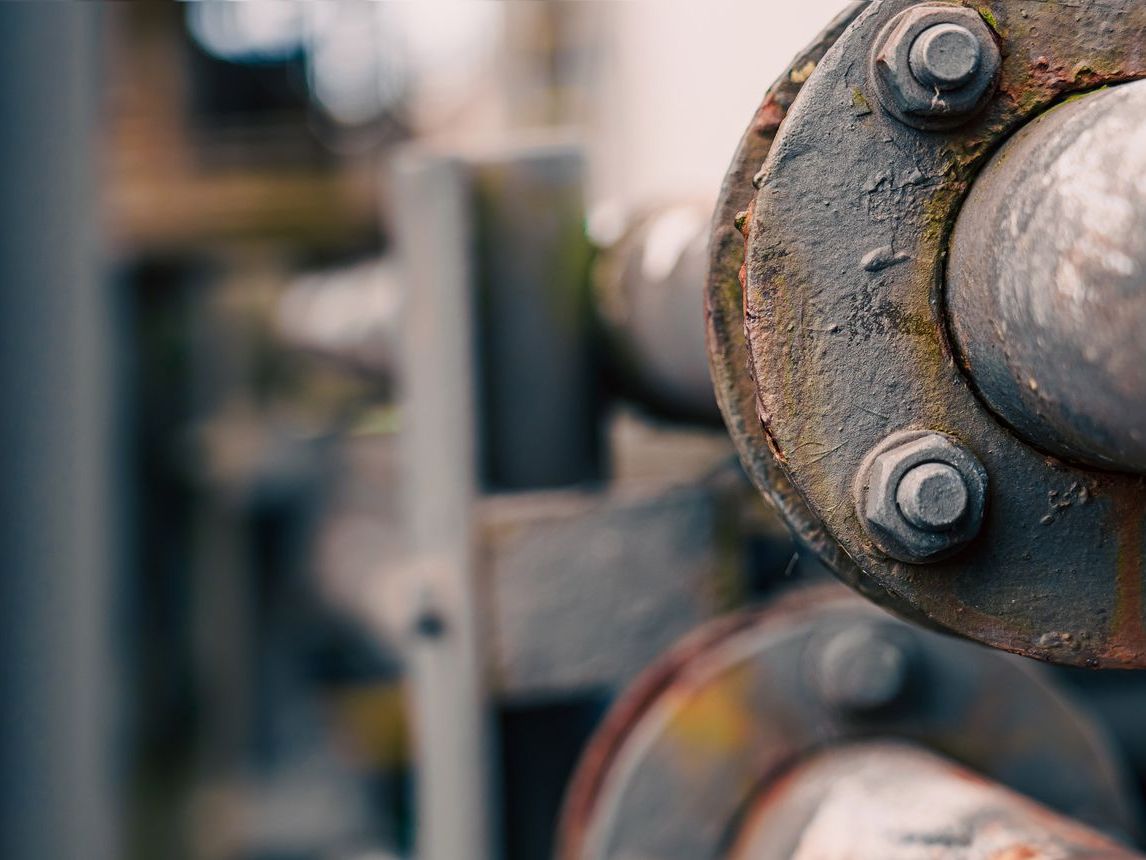
Solid PTFE rings have almost no elastic memory. They seal very well against aggressive media from about −200 °C up to +260 °C, but they need a groove designed for them, careful installation and usually a backup spring or a higher squeeze. Use them in static joints where the chemistry rules out every elastomer.
If the joint has to recover after it is opened, read our guide to FEP-encapsulated O-rings before you choose solid PTFE.
FEP over silicone
A seamless FEP jacket around a solid silicone core gives you a fluoropolymer wetted surface and an elastomer core that springs back. The usual working range is about −60 °C to +205 °C. That makes it the default choice for pharmaceutical skids, food lines and low-temperature duty, where FKM goes stiff.
FEP over FKM (Viton)
An FKM core keeps more of its compression-set resistance at heat, up to about +200 °C. It also handles hydrocarbons and solvents that can reach the core through a damaged jacket. Choose it for chemical process pumps and valves where a pinhole should cause slow weeping, not a sudden failure. We compare the two cores side by side in our encapsulated O-ring selection notes.
PTFE and FEP hose
Smooth-bore fluoropolymer hose resists nearly every process chemical. It does not shed flavour into food or drink, and its non-stick bore cleans well. The weak points are minimum bend radius, vacuum rating and permeation. Our PTFE hose checklist covers the seven questions to settle before you order a length.
Etching for adhesion
Untreated PTFE does not bond to anything, which is why it is useful. If you need to glue a PTFE liner, tape or seal face, a sodium-based etchant removes fluorine from the outer few nanometres and leaves a brown surface that adhesives can grip. Our step-by-step etching guide covers the process, the safety precautions and the mistakes we see most often.
Engineering plastics around the seal
The seal is only one part of the joint. PEEK, PVDF, PPS and PCTFE turn up as seats, bushings and housings, and each one affects how the seal next to it behaves. We cover the rest of the materials when they affect a sealing decision, such as thermal expansion mismatch, creep under bolt load and chemical compatibility.
A PEEK valve seat paired with an FEP-jacketed ring behaves differently from the same ring in a stainless housing, because the plastic expands several times more with heat. Where that matters, we note it in the article.
Why irpola.fi writes about seals
Seals are small, cheap parts that are expensive when they fail. A €5 O-ring in the wrong compound can stop a production line, contaminate a batch or cause a chemical release. Datasheets list temperature limits and compatibility tables. They rarely explain why a ring that passed every chart still failed after three weeks. The usual causes are a sharp groove edge, a vacuum during steam-out, or a CIP cycle that nobody included in the specification.
This site fills that gap with practical writing. Each article starts from a real decision you have to make, such as which core, which hose construction or how to prepare a surface, and works through the trade-offs in plain language, citing the standards behind them. Figures are typical published values, and we say so. They give you better questions to ask your supplier. They do not replace the datasheet for the grade you buy.
- Material behaviour explained from the polymer up: why PTFE creeps, why FEP can be melt-processed and PTFE cannot, and what that means for encapsulated O-ring design.
- Installation and handling advice from the people who fit the parts, not only from catalogue copy.
- Compliance pointers for food, pharma and ATEX service, linked to the original regulation text where possible.
- Honest comparisons: when a fluoropolymer is overkill, and when a cheaper elastomer will do the job just as well.
Where these materials work: four industries, four sets of priorities
The same polymer can fail for different reasons in different industries. A ring that lasts five years on a solvent line can fail an extractables audit in a cleanroom. These are the patterns we see most often, with links to the standards and references that matter in each sector.
The same rule holds across all of them: write down the full operating envelope before choosing a material. That means start-up, shutdown, cleaning and the worst upset you can reasonably expect, not only the steady-state process.
- PTFE discovered at DuPont by Roy Plunkett
- 1938
- Typical continuous upper limit for PTFE
- +260 °C
- Low end for FEP over silicone cores
- −60 °C
- Typical PTFE friction coefficient range
- 0.05–0.10
Chemical processing
Acid transfer lines, solvent recovery and reactor nozzles are where encapsulated rings proved themselves first. A single seal chemistry can replace several elastomer grades, which simplifies the spares shelf and removes the risk of fitting the wrong compound during a night-shift repair. The usual failure is a nicked jacket from a sharp groove edge, not chemical attack. For the history of the polymer, the Wikipedia article on polytetrafluoroethylene is a reliable starting point.
Food, dairy and beverage
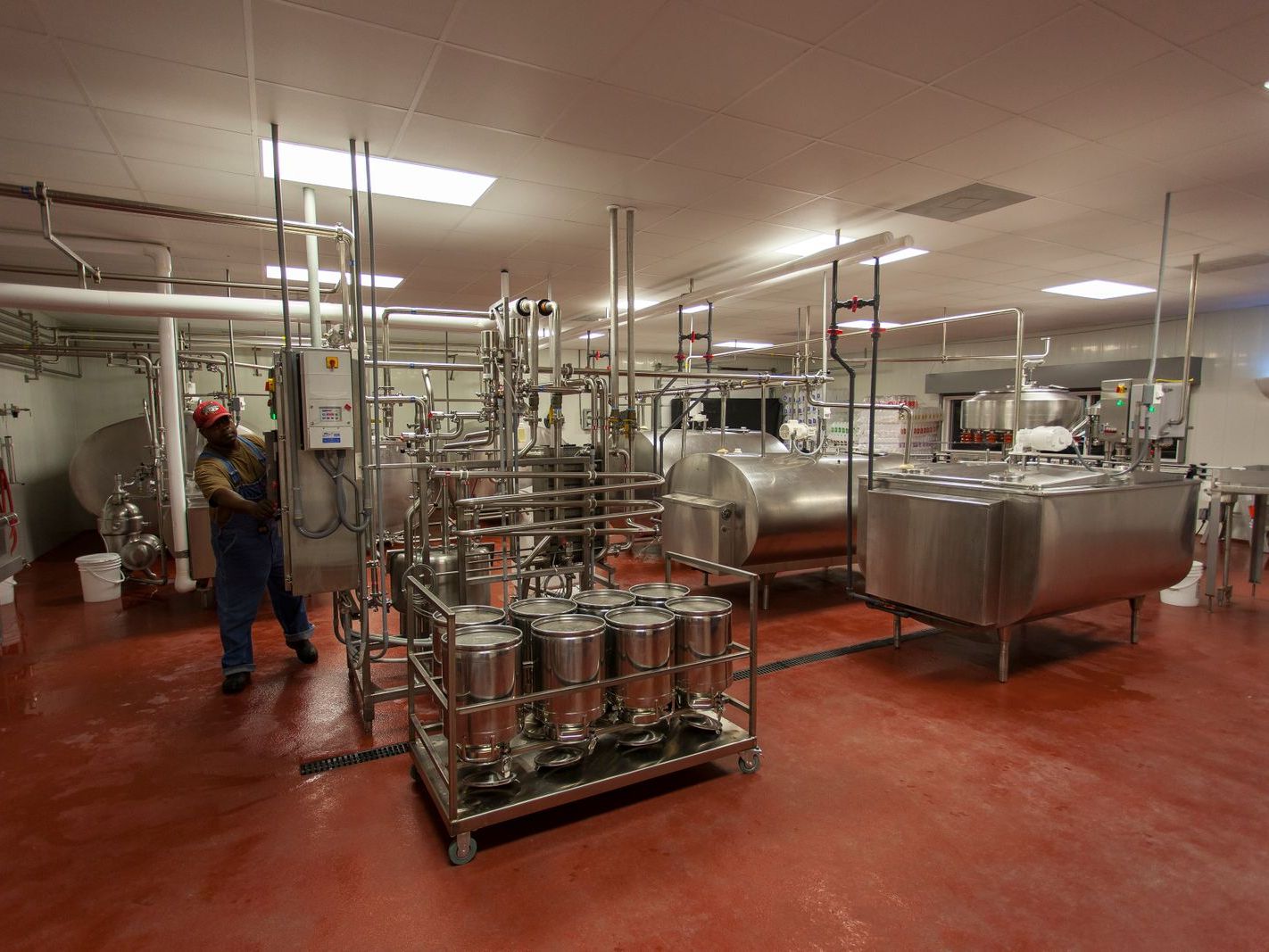
Hygienic lines use clamp joints and valve seats that go through CIP caustic, acid rinses and steam many times a week. FEP-over-silicone rings hold up well in that cycle, and smooth PTFE hose prevents product build-up. In the United States, fluorocarbon resins in food contact are covered by 21 CFR 177.1550. European buyers will also ask for a declaration under Regulation (EC) 1935/2004.
Pharmaceutical and life science
Extractables, cleanability and documented traceability matter here as much as temperature or chemistry. The FEP jacket gives a well-characterised wetted surface, and the silicone core stays out of contact with the product. Specify the jacket and core grades separately. A purchase order that only says "Teflon O-ring" causes problems later.
Water treatment and semiconductor fabs
Ozone, sodium hypochlorite and ultrapure water are hard on most elastomers in different ways. Oxidisers degrade them, and ultrapure water pulls out ions that nobody wants in a wafer process. Fluoropolymer-wetted components handle both, which is why PFA tubing and FEP-jacketed seals are common in dosing skids and fab chemical distribution. In these systems, the purity grade and the cleaning certificate often matter more than the polymer name on the drawing.
Energy, pulp and heavy industry
Paper mills, district heating plants and refineries use PTFE for packings, flange gaskets, expanded-PTFE tape and high-temperature cable insulation. Under bolt load the main problem is cold flow. That is why filled grades and expanded PTFE exist, and why re-torquing after the first heat cycle is still standard practice.
Specifying a seal this week?
Before you order, check four things: the media at its worst concentration, the real temperature range including CIP and steam, whether the joint is static or dynamic, and how often it is opened. Then read our encapsulated O-ring guide and the hose checklist. Together they cover most of the mistakes that send people back to the stores twice.
If your problem is bonding rather than sealing, for example a PTFE strip that keeps lifting or a liner that will not stay put, the PTFE etching how-to covers preparation, safe handling of sodium etchants and the checks that tell you the surface is ready.